Prince William's Decisive Move: Andrew Excluded from All Royal Events
The British monarchy, an institution steeped in tradition, has often found itself navigating modern challenges and public scrutiny. Few instances highlight this balancing act more sharply than the ongoing narrative surrounding Prince Andrew, Duke of York, and the firm stance reportedly taken by his nephew, Prince William. Reports indicate that Prince William, heir to the throne, is planning a comprehensive royal events ban for his uncle, extending to virtually all aspects of royal life, both public and private. This move signals a resolute determination to protect the integrity and future of the Royal Family from persistent controversy.
The Lingering Shadow of Scandal and William's Firm Hand
Prince Andrew's association with convicted sex offender Jeffrey Epstein has cast a long shadow over the monarchy for years. Despite Andrew's repeated denials of accusations against him, the controversy has created an unavoidable distraction for the Royal Family, particularly during King Charles III's new reign. While Prince Andrew recently announced he would no longer use his Duke of York title and honours, describing it as a decision made in discussion with the King and the wider family to avoid distracting from the work of His Majesty, this symbolic gesture appears to be insufficient in the eyes of Prince William.
William is understood to be advocating for a more "ruthless" approach. His reported plans for a comprehensive Coronation Exclusion: Why William Is Banning Prince Andrew and other significant events illustrate his unwavering commitment to safeguarding the monarchy's reputation. It suggests that merely stepping back from public life or relinquishing titles is not enough to truly address the perceived "Andrew problem" that is now firmly in William’s future "in-tray." The heir apparent's resolve to take decisive action reflects a broader strategy to streamline the monarchy and ensure its public perception remains untainted by past controversies.
Beyond Titles: The Scope of Andrew's Royal Events Ban
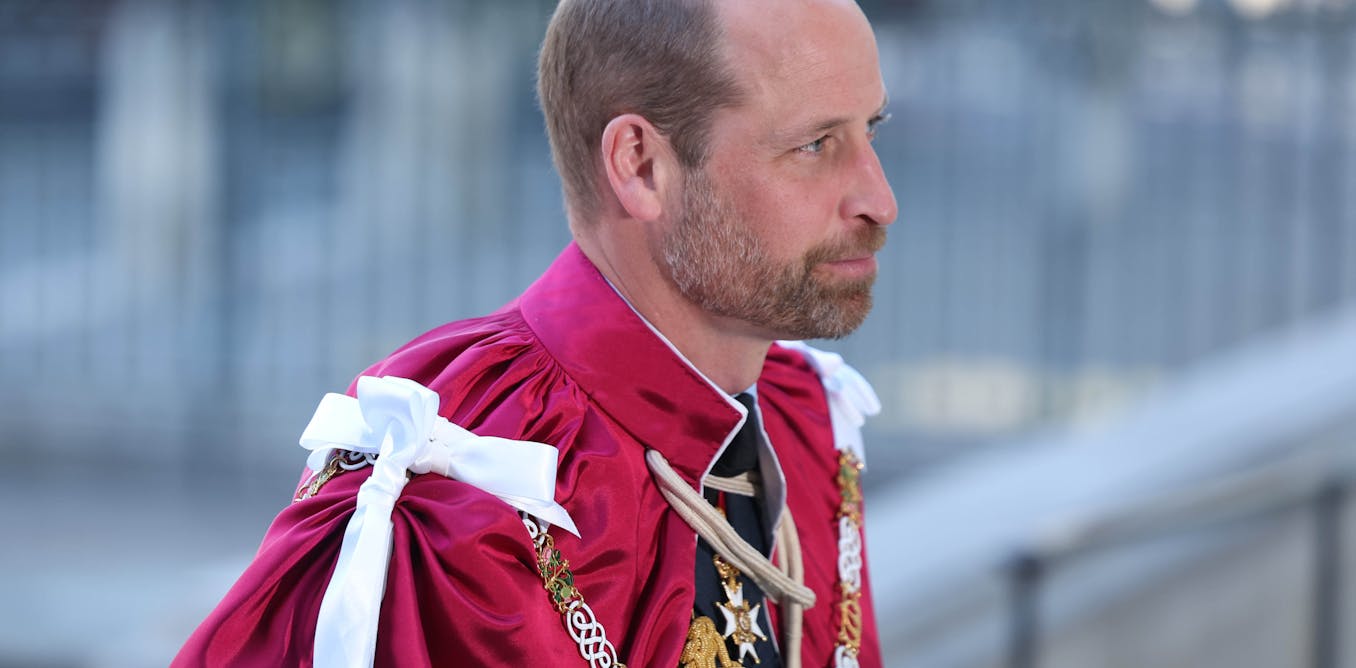
The planned exclusion of Prince Andrew from royal life is far more extensive than previous measures. Initially, Andrew had been permitted to attend King Charles III's 2023 coronation, even wearing his Order of the Garter robes. However, the situation has evolved dramatically. With the recent forfeiture of his Garter knighthood, Andrew will no longer be able to wear these robes or participate in the Order’s annual service at Windsor Castle. But William's reported plans go much further:
- Coronation Exclusion: Perhaps the most significant exclusion, Andrew will reportedly be banned from Prince William's future coronation, a cornerstone event in the royal calendar.
- Public and Private Gatherings: The ban is expected to encompass virtually all royal events, both public and private. This means Andrew's presence at state occasions, family celebrations, and even informal family gatherings could be severely limited or entirely prohibited.
- Christmas Day Service: King Charles has already set a precedent by ruling that Andrew will no longer attend the traditional Christmas Day service with the Royal Family, marking a clear escalation in his banishment.
- Loss of Honours: Andrew will no longer use the titles and honours previously conferred upon him, stripping him of much of his ceremonial standing.
This comprehensive royal events ban underscores a fundamental shift in how the monarchy handles controversies. It moves beyond mere symbolic gestures, opting for a tangible and far-reaching removal from the very fabric of royal engagement. For Prince Andrew, who still resides in the 30-bedroom Royal Lodge mansion, this means a significant personal estrangement from the institution he was born into.
William's Vision for a Modern Monarchy
Prince William's reported stance on Prince Andrew is highly indicative of his vision for the future of the British monarchy. It suggests a desire for a more streamlined, accountable, and relevant institution, one that prioritizes duty and public perception above all else. By taking such a firm line, William is sending a clear message:
- Protecting the Monarchy's Image: The priority is to shield the institution from any ongoing damage or distraction caused by past controversies. William understands that public trust is paramount for the monarchy's survival in the 21st century.
- Consolidation of Working Royals: This move aligns with the broader trend of focusing on a smaller core of working royals, ensuring that those representing the Crown embody the values and expectations of the public.
- Decisive Leadership: William's willingness to take "ruthless" action demonstrates a form of decisive leadership, signaling that he will not shy away from difficult decisions to protect the Crown. This contrasts with earlier, perhaps more cautious, approaches.
The clear signal from William is that the monarchy must project an image of impeccable integrity and dedication to public service. Any individual whose actions or associations consistently undermine this image will face significant consequences, regardless of their lineage. This approach aims to fortify the monarchy against future challenges and maintain its relevance in a rapidly changing world.
Family Dynamics and Public Perception Amidst the Ban
While Prince Andrew faces a near-total royal events ban, the situation is nuanced for his immediate family. Reports suggest that his ex-wife, Sarah Ferguson, the Duchess of York, is also expected to be excluded from royal events. However, their daughters, Princess Beatrice and Princess Eugenie, are understood to remain welcome at both family and official gatherings. This distinction highlights a careful consideration by William, ensuring that innocent parties are not unduly penalized while still maintaining the core objective of insulating the institution from controversy.
The public's reaction to these developments is largely supportive, with many viewing William's reported actions as a necessary step. The continuous "drip-feed of scandal" has worn on public patience, and a definitive end to Andrew's participation in royal life is seen by many as essential for the monarchy's long-term health. The incident at the Duchess of Kent's funeral, where William reportedly did not respond to Andrew's attempts at conversation, further illustrates the stark reality of Andrew's standing within the family and the formal, unyielding stance taken by the future King.
This careful management of family relationships, while maintaining a firm boundary for the principal figure, is crucial for navigating public perception. It allows the Royal Family to demonstrate both compassion and unwavering commitment to its institutional duties.
Conclusion: A Defining Moment for the Future Monarchy
The reported comprehensive royal events ban orchestrated by Prince William for Prince Andrew marks a defining moment for the British monarchy. It underscores a clear and unwavering commitment from the future King to protect the institution's integrity and relevance in the modern era. By taking decisive and far-reaching action, William is signaling a new era of accountability and a focus on a core group of working royals who embody unwavering duty and public service. While personally difficult for those involved, this strategic move is designed to reinforce public trust and secure the monarchy's enduring place in British national life for generations to come.