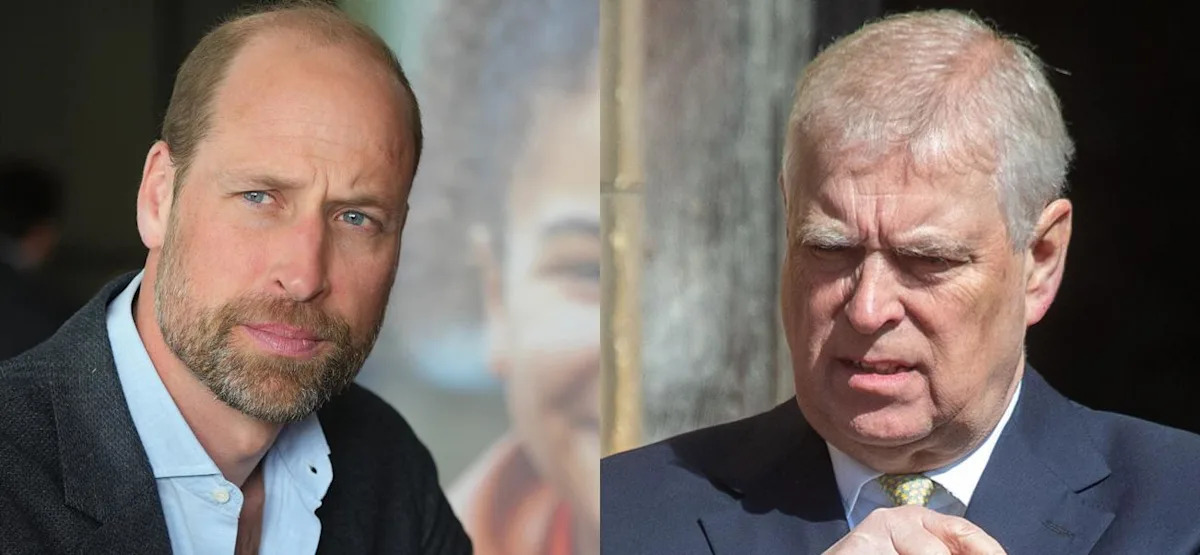
William's Ruthless Stance: Andrew's Royal Exile After Scandal
The British Royal Family, an institution steeped in tradition and public duty, often faces the delicate balance between personal ties and the preservation of its image. Few situations have tested this equilibrium more profoundly than the ongoing fallout surrounding Prince Andrew. Recent developments suggest a clear and decisive path being forged by Prince William, signalling an unprecedented royal events ban for his uncle. This move is not merely symbolic; it represents a comprehensive strategy to safeguard the monarchy's future by drawing an unyielding line in the sand.
Prince Andrew's association with convicted sex offender Jeffrey Epstein has cast a long shadow over the House of Windsor for years. Despite his consistent denials of the accusations against him, the controversy has created an undeniable distraction for the Royal Family. Now, with King Charles III on the throne and Prince William poised as the next in line, a more definitive approach to the "Andrew problem" appears to be taking shape.
The Unfolding Drama: Andrew's Retreat and William's Resolve
In a recent statement, Prince Andrew announced his decision to step further back from public life, relinquishing the use of his "Duke of York" title and the honours conferred upon him. His statement emphasized putting "duty to my family and country first," acknowledging that "continued accusations about me distract from the work of His Majesty and the Royal Family." While this public declaration marked a significant personal concession, royal observers suggest that for Prince William, it was merely a preliminary step, falling short of the decisive action he believes is necessary.
Indeed, experts indicate that Andrew's relinquishment of titles, while symbolically important, doesn't address the fundamental issue from William's perspective. The heir to the throne, having reportedly been consulted on this initial decision, is understood to remain dissatisfied with the outcome. He recognizes that the enduring controversy surrounding his uncle will ultimately fall into his "in-tray" when he ascends to the throne. This forward-looking perspective underpins William's reported intent to implement a more thorough and, by some accounts, "ruthless" plan for Andrew's future within the royal orbit.
A Ruthless Approach: William's Vision for a Modern Monarchy
The heart of Prince William's reported strategy lies in a complete and unequivocal Coronation exclusion: why William is banning Prince Andrew and a broader ban from all facets of royal life – both public and private. This would extend far beyond the formal removal of titles, touching upon everyday interactions and major ceremonial occasions. When William becomes King, Andrew is expected to be systematically excluded from state events, official gatherings, and even significant family functions. This robust stance highlights William's commitment to protecting the integrity and reputation of the monarchy, even if it means taking drastic measures against a close family member.
It's a stark contrast to previous arrangements. King Charles III, for example, had allowed his younger brother to attend his 2023 Coronation, with Andrew even appearing in his Order of the Garter robes. However, the landscape has shifted significantly. Andrew has since given up his Garter knighthood, meaning he can no longer wear those robes or attend the Order’s annual service at Windsor Castle. William's vision appears to be one where there are no grey areas, no exceptions, and no lingering doubts about the family's dissociation from the controversies.
Despite these changes, Prince Andrew retains his title as a Prince and continues to reside at the sprawling 30-bedroom Royal Lodge mansion. The ongoing financial arrangements and residential status remain a point of discussion, but William's focus is clearly on the functional and ceremonial aspects of royal life, ensuring Andrew's visibility is minimized to prevent any further distraction from the work of the Crown.
Beyond Titles: The Implications of a Royal Events Ban
A comprehensive royal events ban carries profound implications, effectively isolating Prince Andrew from the very institution he was born into. This isn't merely about not attending a garden party; it signals an exclusion from key moments in national life and personal family milestones that traditionally bind the royals together. Consider the scale:
- State Occasions: Exclusion from state dinners, diplomatic receptions, and national commemorations.
- Ceremonial Events: No presence at events like Trooping the Colour, Remembrance Day services, or other high-profile royal engagements.
- Family Gatherings: A potential absence from significant family celebrations, albeit with reported exceptions for his daughters, Princess Beatrice and Princess Eugenie, who would still be welcome. Interestingly, Andrew's ex-wife, Sarah Ferguson, is also anticipated to face similar exclusions from royal events.
- Social Interactions: The strained relationship was vividly demonstrated during the funeral of the Duchess of Kent, where Prince William reportedly did not respond to comments made by his uncle, staring straight ahead and barely acknowledging Andrew's presence. These are the kinds of subtle but telling indicators of a deepening rift.
This level of exclusion signifies a "final banishment" for the Prince, following years of scandal that have chipped away at his standing. King Charles has already set a precedent by ruling that Andrew would no longer attend the Christmas Day service with the wider Royal Family. William's strategy thus builds upon existing measures, solidifying a narrative of clear boundaries and accountability.
Analyzing the Monarchy's Future: Integrity Over Kinship
Prince William's firm stance can be understood as a strategic imperative for the future of the monarchy. In an era where public trust and institutional integrity are paramount, the Royal Family cannot afford to be seen as tolerating or overlooking severe accusations against one of its members. William, as a future King, is acutely aware that the monarchy's survival depends on its ability to resonate with and reflect the values of the modern British public.
His "ruthless" approach is not born of personal animosity but rather a perceived duty to the Crown. It reinforces the message that no individual, regardless of their birthright, is above the scrutiny required to maintain the institution's reputation. This decision aligns with a broader trend towards a more streamlined and efficient monarchy, focusing on core working royals and minimizing potential liabilities.
For William, safeguarding the monarchy's moral authority and public perception takes precedence over traditional family loyalties, especially when those loyalties could undermine the very foundation of the institution. It's a pragmatic and necessary step in navigating the complexities of modern royal life, ensuring that the focus remains on service and stability rather than controversy.
In conclusion, Prince William's reported plans for Prince Andrew represent a pivotal moment for the British Royal Family. The comprehensive royal events ban underscores a clear commitment to protecting the monarchy's image and future viability. It signals a new era where integrity and public trust are prioritized above all else, even when it involves making exceptionally difficult decisions within the family's inner circle. This decisive action aims to close a long-standing chapter of distraction, allowing the Royal Family to move forward with renewed focus on its duties and public service.